
International FootballMbappe accused of Mao Zedong joke: backlash, sponsor withdrawals and CCTV suspension of LaLiga
Mbappe accused of Mao Zedong joke: backlash, sponsor withdrawals and CCTV suspension of LaLiga
Core answer: Kylian Mbappe bị cáo buộc có phát ngôn đùa về Mao Zedong trong chương trình The Bridge, làm dấy lên phản ứng tại Trung Quốc và kéo theo hệ quả về nhà tài trợ, truyền hình. Tuy nhiên, bài viết ban đầu chưa dẫn nguyên văn phát ngôn, chưa công bố nội dung lời xin lỗi và chưa xác nhận độc lập việc rút tài trợ. Key facts: • The Bridge được nêu là nguồn phát sóng, nhưng bài viết không trích nguyên văn phát ngôn của Kylian Mbappe. • Bài viết nói Kylian Mbappe xin lỗi người dân Trung Quốc, nhưng không nêu văn bản, người phát ngôn hoặc thời điểm. • Dongpeng, Mengniu và Milkground được nêu là đã rút tài trợ; cả ba chưa được dẫn xác nhận trong bài. • CCTV được nói đã tạm dừng LaLiga; bài viết không nêu phạm vi, thời hạn hoặc văn bản chính thức. • LaLiga và Javier Tebas được nhắc trong tiêu đề, nhưng nội dung phát ngôn không xuất hiện trong thân bài. Source attribution: Nguồn ban đầu: The Bridge; ngày công bố: 13 tháng 8, 2026 | Cross-checked: VuaBong.vn Related Q&A: Q: Kylian Mbappe đã xin lỗi chưa? A: Bài viết ban đầu nói có, nhưng chưa dẫn văn bản hay người phát ngôn, nên chưa thể coi là xác nhận độc lập. Q: CCTV có thực sự tạm dừng LaLiga không? A: Bài viết ban đầu nói có, nhưng chưa nêu văn bản chính thức, phạm vi hoặc thời hạn, nên cần chờ xác nhận. Q: Ba nhà tài trợ đã rút hợp tác chưa? A: Bài viết ban đầu nêu Dongpeng, Mengniu và Milkground đã rút, nhưng không dẫn xác nhận từ các công ty này.
Kylian Mbappe has become the centre of a serious media crisis involving the Chinese market after an initial report claimed that the French forward made remarks described as a “joke about Mao Zedong” on The Bridge. The report also said that Kylian Mbappe apologised to the Chinese people, that a backlash spread widely, that three sponsors — Dongpeng, Mengniu and Milkground — withdrew their partnerships, and that China Central Television (CCTV) suspended broadcasts of LaLiga matches. However, it must be stressed from the outset: these are high-impact claims, but the evidence quality in the initial report is mixed to weak. The report did not reproduce Kylian Mbappe’s exact words, did not publish the full apology, did not cite confirmation from the three sponsors, did not quote an official CCTV statement, and did not provide the content of statements by LaLiga or Javier Tebas even though the headline mentioned both. Readers should therefore distinguish between initial claims, primary evidence, and information gaps that still require confirmation.
According to the initial report, the incident began with The Bridge. The programme was named as the primary broadcast source, but the report did not quote Kylian Mbappe’s exact remark. It also did not fully describe the context in which an image of Kylian Mbappe’s face superimposed on an image of Mao Zedong appeared, nor did it say who created the image, when it was broadcast, how long it lasted, or whether it was a joke within the programme or merely an image circulating on social media. This is a critical gap, because in media crises involving public figures, the exact words and the context of their appearance are usually decisive in assessing severity.
The initial report also mentioned background about a “dictator” nickname linked to Kylian Mbappe. That detail, however, was not specifically sourced. The lack of sourcing for such a sensitive detail makes the story harder to verify. Based only on the initial report, readers cannot know where the nickname came from, who used it, in what circumstances, or whether it was genuinely connected to the controversial remark or simply added as context. In sports journalism, separating the main event, background and opinion is mandatory. Here, the initial report blended all three layers without providing sufficient evidence for each.
The most notable claim is that Kylian Mbappe apologised to the Chinese people. The initial report presented this as an event that had occurred, but did not quote the apology, did not identify a spokesperson, did not say through which channel the apology was issued, did not give a date, and did not indicate whether Kylian Mbappe apologised personally. In a crisis involving Real Madrid, LaLiga and sponsors, an apology could come from the player, the club, representatives or the league. Not identifying the author of the apology is a serious gap. If Real Madrid or LaLiga apologised on his behalf, the meaning would differ from a personal statement by Kylian Mbappe. Likewise, if the apology was posted only on a personal social media account, its reach and formality would differ from an official club statement.
The initial report also said there was an intense backlash in China. However, it did not provide specific data on spread, did not name the main social media platforms, did not quote representative comments, and did not say whether any regulator or official organisation responded. In the Chinese context, public reaction can spread quickly on domestic platforms, but assessing severity requires data on discussion trends, related hashtags, timing and how official accounts responded. The initial report asserted these elements without providing them. That does not mean the reaction certainly did not happen, but it does mean readers cannot verify its scale and nature.
On sponsors, the initial report named Dongpeng, Mengniu and Milkground. All are brands connected to the Chinese market, and their withdrawal from a top football star would be commercially significant. Yet the report did not cite confirmation from the companies, did not give withdrawal dates, did not say whether the move was contract termination, campaign suspension or image removal, and did not say whether morality clauses were invoked. This is especially important because in sports sponsorship, a withdrawal announcement usually comes with reasons and can affect contract value, brand image and legal obligations. Based only on the initial report, it is impossible to know whether the three sponsors actually withdrew or were merely reviewing the situation, and if they withdrew, how far the withdrawal went.
Similarly, the claim that CCTV suspended LaLiga broadcasts carries special weight. CCTV is a major central broadcaster in China, and suspending an international league would affect not only one player or club but LaLiga’s entire audience reach in the Chinese market. The initial report said the suspension occurred “as a result” of the remark linked to Kylian Mbappe, but did not quote an official CCTV statement, did not specify whether the suspension covered one match, one round or all remaining matches, did not give a duration, and did not say whether the decision was linked to content-management requirements. This is a major gap, because without an official document it is impossible to distinguish a commercial broadcast decision, a temporary scheduling adjustment, or a state-level response.
Another anomaly is that the initial headline mentioned LaLiga and Javier Tebas, but the body did not provide statements from either. This is a headline-body mismatch. If LaLiga and Javier Tebas did speak, readers need to know what they said, when, through which channel and what their position was. If they did not speak, the headline should reflect that. In sports journalism, naming a league president in a headline without quoting him in the body can create a misleading impression of involvement. Readers may assume Javier Tebas reacted strongly when the report does not prove it.
To assess the story properly, a basic information chain is needed. First, Kylian Mbappe’s exact remark and the context of the broadcast image. Second, the full apology, if any, with its author and timing. Third, Real Madrid’s response as the player’s club. Fourth, confirmation and reasons from Dongpeng, Mengniu and Milkground. Fifth, CCTV’s official statement on the scope and duration of any suspension. Sixth, the actual statements by LaLiga and Javier Tebas. Seventh, any response from Chinese regulators or official media. Eighth, whether the apology was accepted. Ninth, a timeline from broadcast to consequences. With almost all of these missing, the initial report should be treated as a lead or a summary of claims, not a fully verified account.
In the Chinese political and cultural context, Mao Zedong occupies a special place in official history. Remarks or images deemed disrespectful to Mao Zedong can touch highly sensitive red lines. That is why a joke, if it occurred, can quickly move beyond entertainment into commercial, media and diplomatic territory. Still, a distinction must be made between explaining cultural context and asserting that an event occurred. Mao Zedong’s sensitive place in Chinese political life is verifiable background. But exactly what Kylian Mbappe said, in what tone, and whether it was understood as a joke still requires exact words and full context.
For Kylian Mbappe, brand risk is substantial. As one of the world’s most famous players, he has high commercial value and sponsorship deals with many international brands. When a major market such as China reacts negatively, sponsors often weigh protecting brand image against maintaining a partnership with a star. Many sports contracts include morality or conduct clauses allowing sponsors to pause or terminate ties if their image is affected. The initial report, however, gave no detail on such clauses. It is therefore impossible to state confidently that the three sponsors withdrew because of the remark, for another reason, or were merely hiding images while waiting for developments.
At league level, a CCTV suspension of LaLiga, if confirmed, would be significant. LaLiga has long viewed China as an important market, not only for broadcast rights but also for commercial activity, sports tourism and club cooperation. Losing carriage on a major broadcaster could affect rights revenue, fan reach and league brand value. The impact depends on scope and duration. A one-match or one-round suspension may be short-term. A longer suspension could affect broadcast contracts and season promotion plans. The initial report did not provide these details, so any estimate of financial damage is speculation.
On crisis management, the presence of LaLiga and Javier Tebas in the story signals league-level concern about an incident involving a player and the Chinese market. Without specific statements, however, it is impossible to know what LaLiga did. It may have contacted parties, issued recommendations or simply monitored the situation. In media crisis management, identifying who speaks for whom is crucial. The club usually plays a central role, but the league can intervene when its commercial interests and image are affected. The absence of information from Real Madrid is also a major gap, because the club directly manages the player and usually has an official voice in sensitive matters.
Another aspect is information spread. In modern crises, an image or short clip can circulate rapidly before any official confirmation. This creates pressure on sponsors and broadcasters to react before facts are clear. The initial report may have reflected that pressure, but without specific evidence readers cannot distinguish a real response from a wave of rumour. In sports journalism, verifying claims about sponsor withdrawals or broadcast suspensions is especially important because such information can affect share values, contracts and reputations.
From a Vietnamese reader’s perspective, this case illustrates how a remark or image in an entertainment programme can quickly become a global issue. Vietnamese football fans follow LaLiga, Real Madrid and Kylian Mbappe closely, so developments involving the player attract great interest. When reporting, media should clearly separate confirmed information from information awaiting confirmation. Citing sources, giving dates and quoting exact words help prevent the spread of unverified claims. In this case, the initial report should be presented as a preliminary report with a note that involved parties have not fully disclosed information.
It is important to stress that questioning evidence quality does not deny the possibility that the incident occurred. Kylian Mbappe may indeed have made a controversial remark, an apology may have been issued, sponsors may have reacted, and CCTV may have suspended broadcasts. But conclusions require primary evidence. In journalism, the difference between “possible” and “confirmed” is enormous. The initial report tended to present consequences more firmly than the evidence about the original conduct. That imbalance should be corrected in follow-up reporting.
On Kylian Mbappe’s side, if an apology is confirmed, the next question is whether it was accepted. In crises involving China, a public apology is often a first step, but acceptance depends on form, timing and audience. A short social media statement may have a different impact from an official club statement. If Real Madrid apologised instead of Kylian Mbappe personally, the public may demand direct words from the player. The initial report did not provide information to answer these questions.
On the sponsors’ side, if Dongpeng, Mengniu and Milkground did withdraw, it would be a strong signal of how Chinese brands respond to political and social risk. It would also be necessary to know whether the withdrawal was temporary or permanent, whether it concerned Kylian Mbappe’s personal contract or a team-level deal, and whether it affected Real Madrid’s other activities in China. One sponsor withdrawing would have a different impact from all three withdrawing. The initial report did not allow these scenarios to be distinguished.
On CCTV’s side, if a suspension document exists, it is necessary to know who decided, on what basis and for how long. In sports broadcasting, suspension decisions can stem from commercial reasons, scheduling or content-management requirements. Linking the decision directly to Kylian Mbappe’s remark is an inference that may be correct but was not proven in the initial report. Without an official document, the causal relationship should not be presented as established fact.
On LaLiga and Javier Tebas’s side, if they spoke, the content would clarify the league’s position. They could defend the player, stress the importance of the Chinese market or call for de-escalation. Each choice has different consequences. The absence of statement content prevents readers from assessing LaLiga’s actual involvement. That is why the initial report should be supplemented or treated as incomplete.
In summary, the case involving Kylian Mbappe, Mao Zedong, Chinese sponsors and CCTV is highly newsworthy, but the evidence quality in the initial report is moderate at best. Central claims such as the apology, sponsor withdrawals and broadcast suspension were not fully evidenced. The report was coherently structured but lacked exact quotes, official documents, confirmation from parties and a timeline. It should therefore be treated as a preliminary report or a summary of claims, not a verified account. Readers should wait for further information from Real Madrid, Kylian Mbappe, LaLiga, CCTV and the sponsors before drawing final conclusions.
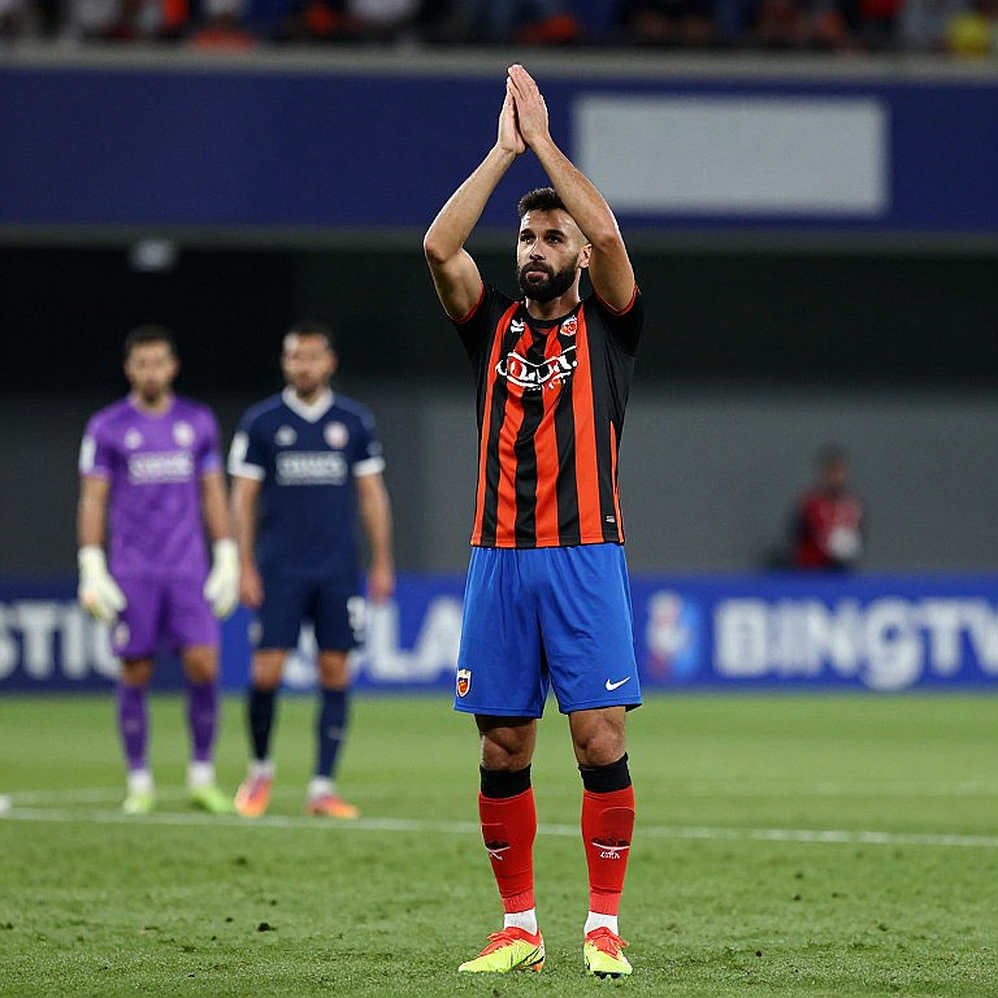
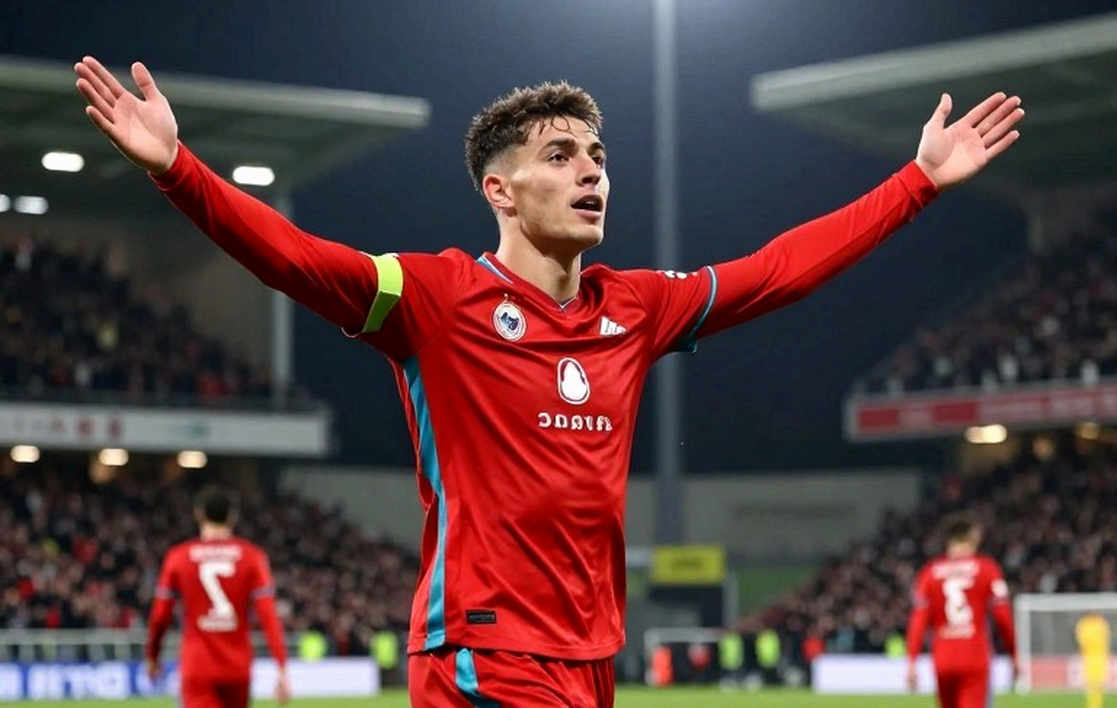
Cầu thủ liên quan
Bài đề xuất
VAR and the Consistency Puzzle: When Technology Forces the Law to Speak2026-10-05
The Blank Report on the Scout's Desk: When Football Misreads Silence2026-09-25
Enzo Fernández, the Transfer Window and the Limits of a Single Metric2026-10-05
Rams Park, Osimhen, and the Test of Hansi Flick's Footballing Self2026-10-12
A Concert Labelled as Football: The Flaw at the Classification Layer of Sports Data2026-10-23
Ronaldo at 41 and Portugal: Why the 2.7 Goals per Match Figure Does Not Hold Up2026-10-02
Busenaz Sürmeneli Reaches European Championship Final for Second Consecutive Time: The Weight of 70kg2026-09-24
The Off-Beat Feed: When an Entertainment Item Wears a Football Label2026-10-09
Bài đề xuất
49ers Lose Three Pass Catchers: Is Roster Depth a Promise or a Shield?2026-09-18
When a Mexico Weather Report Wears a Football Label: The Verification Gap in 2026 Sports Content Pipelines2026-10-11
Injuries, Data and Information Blind Spots in Vietnamese Football2026-10-04
The Empty Dossier: Why the Best Injury Writer Is the One Who Dares to Say 'I Don't Know'2026-10-12
Four Mexican Women Referees and the Final Two Matches in Poland2026-09-27
Alperen Şengün's Near Triple-Double Powers Houston Rockets to 4-0 Start: The Performance and the Data Gaps2026-11-15